Ride, Glide, and Roam: Car‑Free Adventures Through Britain’s Wild Heartlands

Set your sights on bus-and-bike itineraries for national park adventures across the UK, where nimble cycling meets reliable local services to unlock valleys, ridgelines, lochs, and coastlines without a steering wheel in sight. This guide shows how to link services with traffic-free trails, hire shops, and welcoming villages, weaving practical tips with stories from the road. Expect clear planning advice, safety notes, real-world route ideas, and friendly encouragement to share your own discoveries, subscribe for updates, and help grow a supportive community of car‑free explorers.

How to Stitch Buses and Bikes into Seamless Journeys
Success begins with timing and flexibility. Use national journey planners and local operator apps to map connections, then overlay routes on Sustrans maps, OS layers, or your favorite navigation tool to confirm gradients, surfaces, and bridleway rights. Build generous buffers around interchanges, especially in rural areas where frequency drops later in the day. Check bike rules beforehand—folding bikes almost always pass, standard frames often do not—then consider hiring near the stop. Screenshot timetables, download offline maps, and plan a cozy café as a morale anchor.

Lake District and Peak District: Fellside Loops from Bus Stops

England’s beloved uplands welcome riders with deep valleys, slate towns, and postcard water. Buses connect gateways like Keswick, Ambleside, Castleton, and Hathersage to ribbons of quiet lanes and famed traffic‑free paths. Hire shops near stops simplify bike logistics, while frequent services in season shorten waits after long climbs. Expect steep pitches, swift weather turns, and smiles as broad as Derwentwater itself. Pack layers, respect walkers on popular trails, and leave time for bakery-fueled detours through stone villages glowing in late-afternoon light.

Snowdonia’s valleys and passes on a rolling day

Ride from a bus stop in a lakeside town into corridors of rock where waterfalls stitch silver threads between boulders. If high passes look grim with crosswinds, loop gentler lanes around glacial lakes and mossy walls, discovering slate history and quiet chapels tucked in folds. On bright afternoons, push toward a saddle for a measured view, then drift back through spruce shade to a bakery where warm bara brith anchors happiness. Always confirm return times early; mountain light seduces minutes into vanishing without apology.

Canalway meanders in Bannau Brycheiniog

From Brecon or nearby stops, follow the placid Monmouthshire and Brecon Canal, where towpaths turn effort into meditation. Herons patrol bends, dragonflies sparkle, and locks provide obliging picnic perches. The route’s gentle gradients welcome mixed groups and new riders, while side lanes offer hillier add‑ons for keener legs. Pause at a waterside inn for soup and stories, then continue through pasture mosaics before looping back with an easy cadence. If weather stiffens, canalside hedges give windbreak mercy and space to rethink distances kindly.

Pembrokeshire’s cliff‑edge circuits with sandy finales
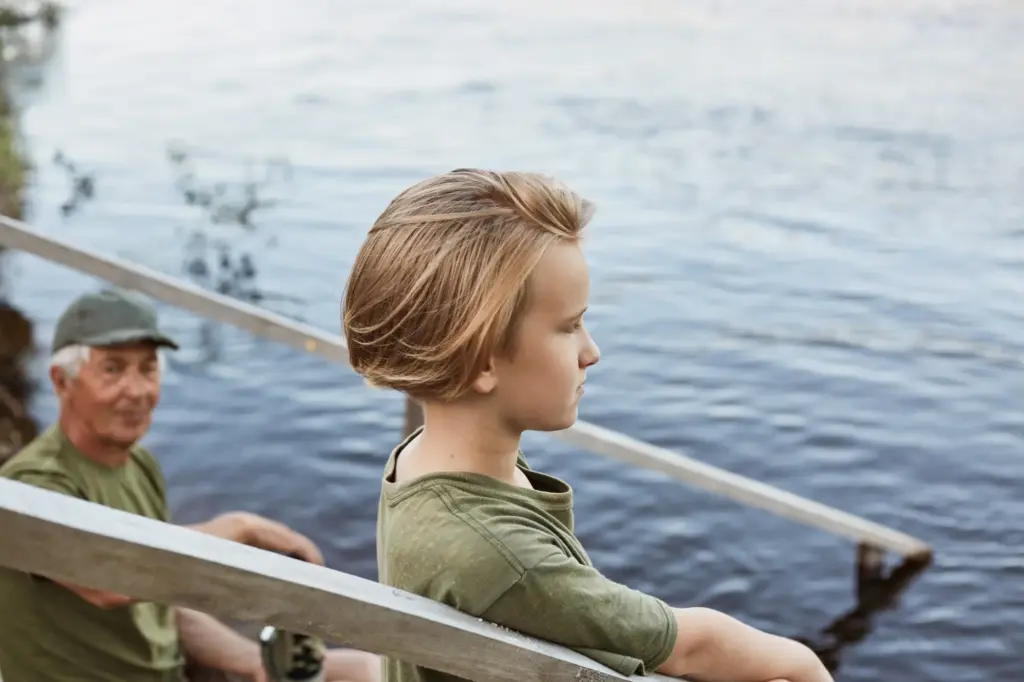
Roll from a coastal stop toward tiny harbors and headlands where Atlantic light changes by the minute. Narrow lanes crest above sea stacks, then dip toward coves echoing with kittiwakes. Keep speeds respectful on blind bends, and walk short sections where walkers crowd a pinch point. A café near the cathedral town might tempt a second slice, but save time for beach‑barefoot moments before the bus. Salt on your helmet straps will taste like victory when gulls escort you back to the shelter, satisfied and sun‑kissed.

Highlands and Glens: Scottish Routes that Reward Patience

Scotland offers grandeur that humbles itineraries, so plan wider buffers and savor longer daylight in summer. Coaches and local buses can reach gateway villages; always read carriage policies, as boxed or folded bikes may be required. In the Cairngorms and the Trossachs, forest tracks and lochside lanes flow between ancient pines and mirrored water. Bring midge protection, spare layers, and a readiness to adjust. The reward is silence stitched with curlews and a sense that distant ridges welcome you like old, weathered friends.
Step off in Aviemore, collect a sturdy hire, and roll into Rothiemurchus where red squirrels flick tails above your handlebars. Loops around calm lochans blend pine‑needle perfume with crunching gravel, while distant plateaus float like ships. Follow a segment of a long‑distance path to a distillery door for a shy nosing, then circle back by castle ruins. When showers march down the strath, duck under larch and let them pass. Returning to the stop, your cheeks glow with pine, peat, and quiet pride.
From Balloch or Callander, join a celebrated cycle corridor that threads loch shores, waterfalls, and shaded passes. The Duke’s Pass rewards measured pacing, its views widening with each patient switchback. Cafés in stone villages make kind refuges when rain briefly auditions, and picnic stones appear as if planned. If timing tightens, roll to a lower, flatter alternative hugging water. On bright evenings, the loch wears gold leaf; you will float into the bus queue with legs serenaded by gentle, satisfied lactic whispers.

South and East: Downs, Forests, and Moors Made Simple
Rolling chalk, ancient wood‑pasture, and high moors unfold from bus windows into perfect cycling canvases. Towns like Lewes, Petersfield, Brockenhurst, Whitby, and Pickering sit close to bridleways, railway paths, and heathland loops, many with rental options near stops. Expect skylarks overhead, crunchy flint under tires, and tearooms with buttered slices that dissolve effort into contentment. Seasonal timetables deserve respect; plan earlier starts and gentler finishes. Share your loops, ask questions in the comments, and subscribe for monthly route drops shaped by community wisdom.

Tickets, Gear, Weather, and Safety the Easy Way

Little decisions shape big smiles. Many operators offer day passes, contactless caps, or group deals—check apps for live prices and disruptions. Pack compact layers, full‑finger gloves, and lights even in summer. Wet forecasts demand mud‑friendly tires and eye protection, while sunshine still requires windbreakers on exposed ridges. Know basic roadside fixes, carry a charged power bank, and store emergency locations in offline maps. Share your packing lists, ask route questions, and sign up for seasonal alerts that keep spontaneous weekends beautifully possible.

Buying the right tickets without overpaying

Before wheels turn, open the operator’s app to compare singles, day riders, and multi‑zone options. Contactless caps often surprise with value, while group tickets can turn a trio into budget magicians. Some regions sell multi‑operator passes that smooth connections across companies. Screenshot QR codes and keep a spare payment method offline. If coaches are involved, confirm luggage rules and any conditions for boxed or folded bikes. Budget left over buys bakery strength when headwinds pick fights with enthusiasm on the hour you needed it least.

Packing for four seasons in one ride

A breathable shell, merino base, and packable insulating layer tame surprise gusts on passes and chilly descents into wooded valleys. Add gloves, glasses, sunblock, a cap, and high‑visibility elements that greet dusk kindly. Tools matter: spare tube, levers, multi‑tool with chain breaker, tiny lube, and a quick‑link save days. Strap a mini‑pump to the frame, tuck a power bank beside snacks, and bring a compact lock for bakery raids. Zip bags keep maps and phones dry, while optimism belongs in every side pocket.

Trail etiquette and wild places stewardship

Share space with steady kindness. Slow for walkers, ring early, and pass wide with thanks. Stick to bridleways and permitted paths, especially in lambing or nesting seasons when ground‑nesting birds rely on your restraint. Avoid fragile trails after prolonged rain to prevent ruts that linger into summer. Pack out every crumb, close gates, and resist short‑cuts that scar slopes. Smile at volunteers repairing drainage, then donate time or coins if you can. Good manners braid communities together, making every return bus feel like a quiet celebration.