Trains, Tents, and Tiny Budgets: Weekend Freedom Without a Car
Start Smart: Finding Great Spots a Short Walk from the Platform
01
Check the Walk and Terrain, Not Just the Distance
Ten minutes over level pavement feels totally different from ten minutes up a dark, hedged lane with stiles and gates. Scan maps for pavements, verges, bridges, and safe crossings, especially after dusk. Satellite views reveal gate widths for wide packs, muddy cut‑throughs, and better alternatives. If rain threatens, choose shorter approaches with firm surfaces. Screenshot directions, carry a tiny torch, and remember return legs can feel longer after a day of hiking and beachcombing.
02
Follow the Timetable: Off‑Peak Savings and Late Returns
Off‑peak tickets and Railcards can carve impressive chunks off costs, especially when paired with advance booking on quieter trains. Always cross‑check last services on Sundays and bank holidays, when timetables can quietly shift. Plan around campsite check‑in and pitch‑quiet hours, and build a buffer for delays. If you arrive early, scout a riverside snack spot or station café. Returning, aim for trains with fewer changes, keeping tired legs happier and connections genuinely stress‑free.
03
Budget Clarity: Pitches, Extras, and Free Alternatives Nearby
Pitch fees can look tiny until showers take coins, firewood is compulsory, or charging points cost extra. Call or message ahead to clarify tent sizes, late arrivals, tarp rules, and group bookings. Ask about water refill points to avoid pricey bottles. While wild camping remains restricted in most of England and Wales, you can still picnic responsibly on public land before check‑in. Favour simple sites without luxury add‑ons, and share costs by splitting lightweight communal gear.
England by Rail: Three Wallet‑Friendly Basecamps
Edale, Peak District: Fieldhead Within an Easy Stroll
Ashurst, New Forest: Pines, Ponies, and a Five‑to‑Ten Minute Hop
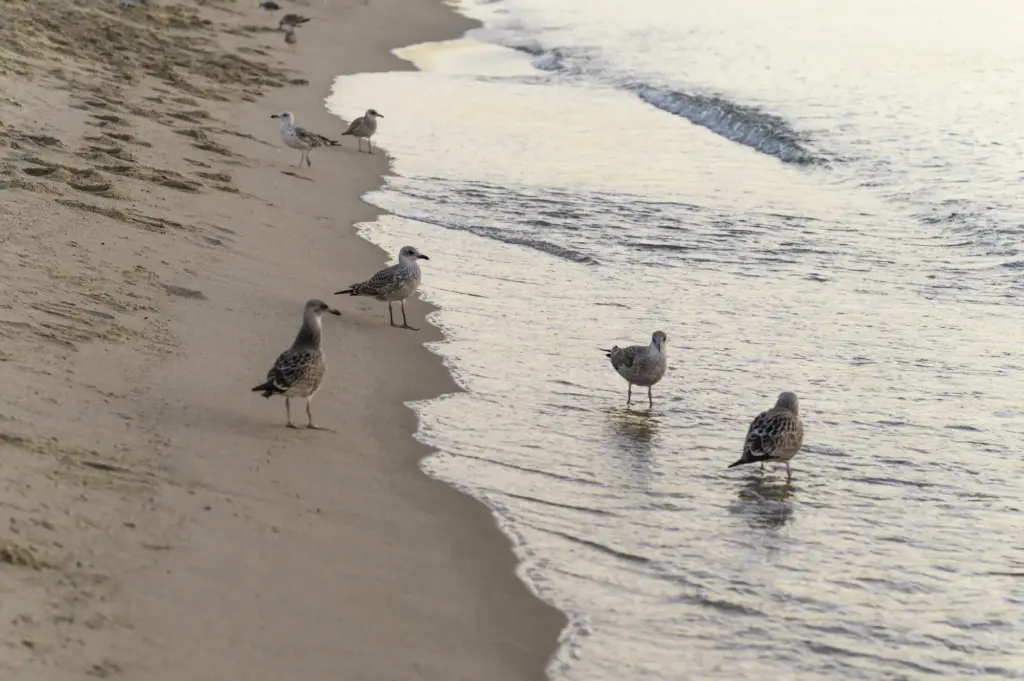
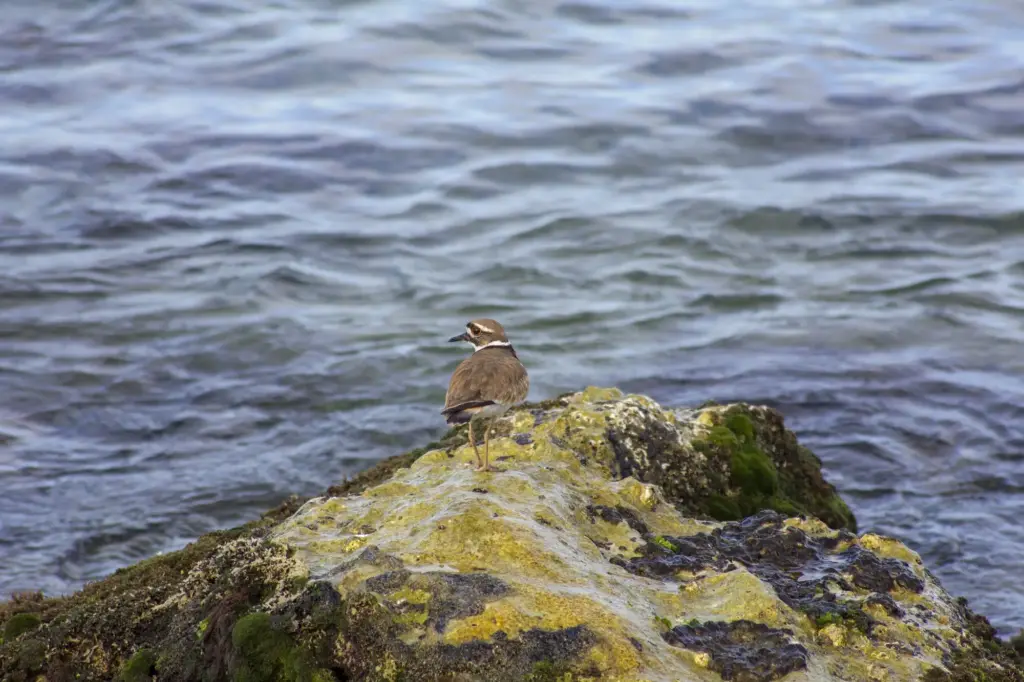
Dawlish Warren, Devon: Sand, Birds, and a Short Flat Amble
Scotland and Wales: Big Landscapes, Low Fares, Short Walks
Aviemore, Cairngorms: Forest Pitches Steps from the Platform
Tyndrum, West Highland Gateway: Trails, Trains, and Warm Showers
Barmouth and Talybont, Cambrian Coast: Dunes and Sunsets by Rail